Digital product passport: product information from purchase to recycling
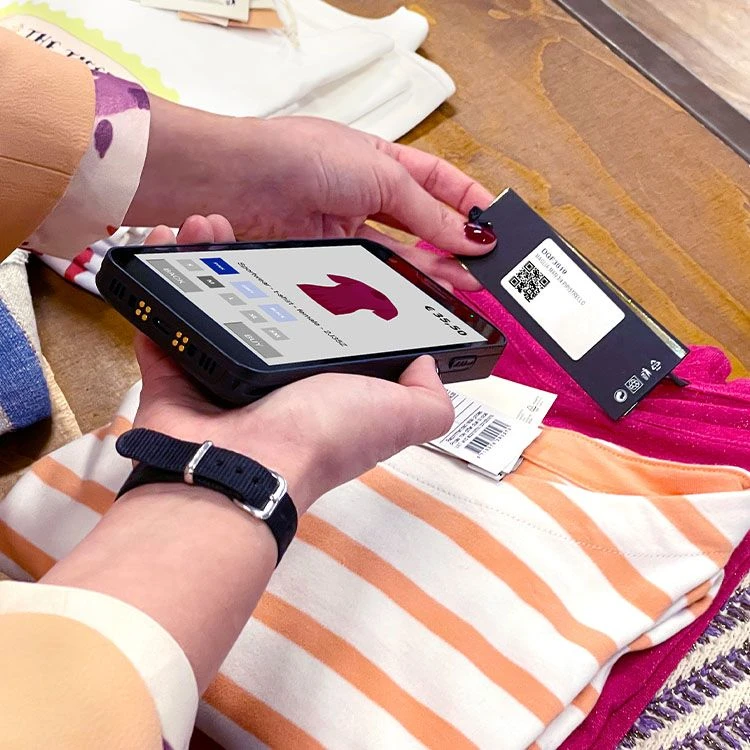
What materials is a product made of? How can it be repaired, and which spare part is compatible? The digital product passport is designed to make such information more easily accessible – when making a purchase decision, whilst using the product, and during recycling. This presents companies with a new challenge: product data must be made available online in a reliable manner and clearly linked to the relevant product.
What is a digital product passport?
The digital product passport, or DPP for short, makes product-related information easily accessible in digital form. Access is granted, for example, by scanning a QR code using a barcode scanner or a smartphone. Depending on the application and specifications, NFC or RFID tags can also be read using suitable devices.
The labels contain a link leading to the relevant product information; the actual data is managed and processed in connected information systems. Which details are mandatory and who is authorised to access them depends on the relevant product regulations. This enables consumers to find out about materials and care instructions, repair shops to access technical documentation, and recycling companies to retrieve information on recycling. This demo example of a digital product passport from our partner GS1 shows exactly how this might work.
One possible format for the link in the QR code is the GS1 Digital Link. This standard links a web address to a unique product identifier, such as the GTIN, and, where applicable, a batch or serial number.
Example: Furniture – information down to the individual component
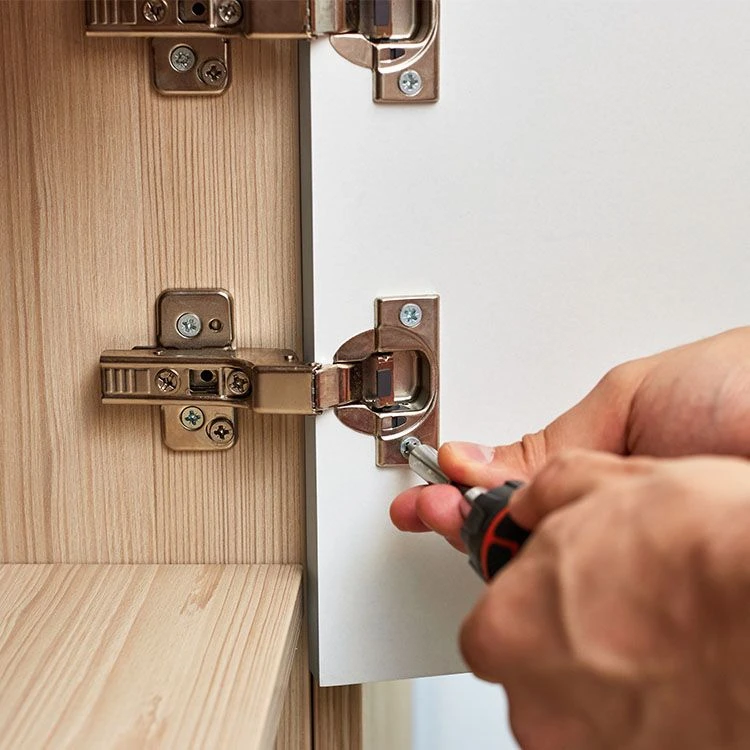
A cupboard is made up of numerous components from different suppliers, such as wood-based materials, fittings and finishes. The digital product passport brings all this information together and provides access to assembly instructions, spare parts lists and care instructions. For example, if you want to replace a hinge years later, you can easily find the right part using the code on the piece of furniture.
The specific mandatory requirements for furniture have not yet been finalised. Nevertheless, it is worth suppliers making preparations: information on materials, components and existing documentation should be organised in a structured manner and made available to customers. This will make their contributions to the finished product easier to trace.
The textile sector as an example: from the label to sorting
In the case of clothing, a digital product passport can bring together information on fibres, origin, care and repairs. The labelling must be able to withstand washing, wearing and drying. Options include sewn-in care labels with a QR code or wash-resistant RFID tags. RFID labels are already widely used in retail, for example for stock-taking and anti-theft measures. If the tags are permanently sewn into the garment rather than simply attached, this infrastructure can also be used for the digital product passport.
Die Verbindung zum Produkt: eindeutige Kennzeichnung
To ensure that the correct information appears during scanning, the physical product and its digital record must be uniquely linked. A separate serial number for each individual product is not always necessary for this: depending on the product group, the ESPR provides for mapping at model, batch or individual product level.
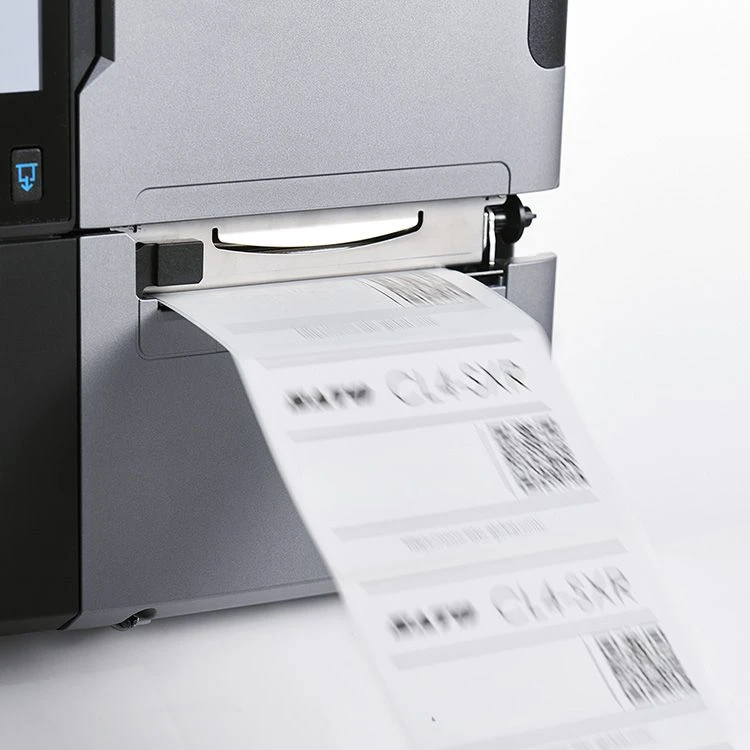
Labelling software such as BarTender enables the creation of product-specific codes, including those in the GS1 Digital Link format. This allows product data to be reliably incorporated into the labelling and suitable labels to be created directly within the production process.
It is essential that the labelling remains legible throughout the intended service life. Depending on the product and operating conditions, suitable options include durable barcode labels, labels with an integrated NFC or UHF RFID chip, or robust tags that are permanently attached to or built into the product.
Labels can be purchased pre-printed or produced on-site using suitable label printers. Printers with the appropriate RFID functionality are used for the additional encoding of RFID chips.
A scan prior to dispatch ensures that the stored data corresponds to the relevant product. Depending on the quantity and the process, handheld scanners, mobile computers or stationary scanning modules are used for this purpose. For NFC and UHF RFID tags, suitable readers are used.
How Barcotec provides support
We support you with the labelling and automatic identification of your products. This includes label printers, barcode scanners, mobile computers and stationary reading systems, as well as suitable RFID technologies – for data capture at the workplace as well as for integrated processes in production and logistics.
As a GS1 Austria Solution Partner, we bring our many years of experience in standardised identification and data capture to the table. Working with you, we select the right technical equipment to ensure your products are permanently labelled and can be reliably tracked in day-to-day operations.
Would you like to prepare your product labelling for future requirements? Talk to us about suitable printing and data capture solutions for your application.